
Global trade has evolved into a complex web of movement – commodities raw materials, finished goods, containers, trucks and wagons , all flowing together to keep economies running. But behind every efficient logistics network lies a central organising force made up of people, data and infrastructure: a Freight Village.
Widely used across Europe and Asia, the concept is rapidly gaining momentum in South Africa as pressure mounts to improve supply chains, reduce congestion, strengthen security and enhance cross-modal connectivity.
So, what exactly is a freight village and why is it becoming essential to the future of trade?
A freight village is a purpose-built logistics hub where all key components of the supply chain are brought together in one co-ordinated location.
It is designed to enable seamless movement between:
Instead of logistics happening in scattered, disjointed areas, a freight village centralises activity into one optimised ecosystem, improving efficiency, reducing operational costs, maximising economies of scale and driving faster turnaround times.
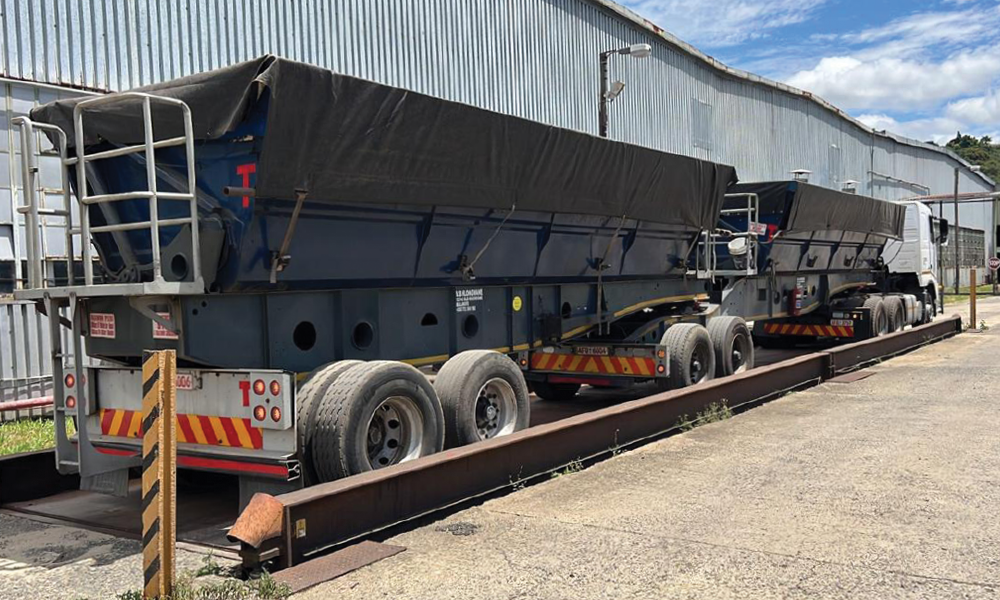
Modern supply chains rely on speed, visibility and integration. Freight villages enable that through:
While the global freight village model is well established, EIT’s Freight Village is redefining how the concept is applied locally.
Strategically located on the N3 corridor, one of South Africa’s busiest and most economically significant trade routes, it has been developed with one objective: to streamline trade flow by bringing all essential logistics stakeholders together in a single, integrated ecosystem.
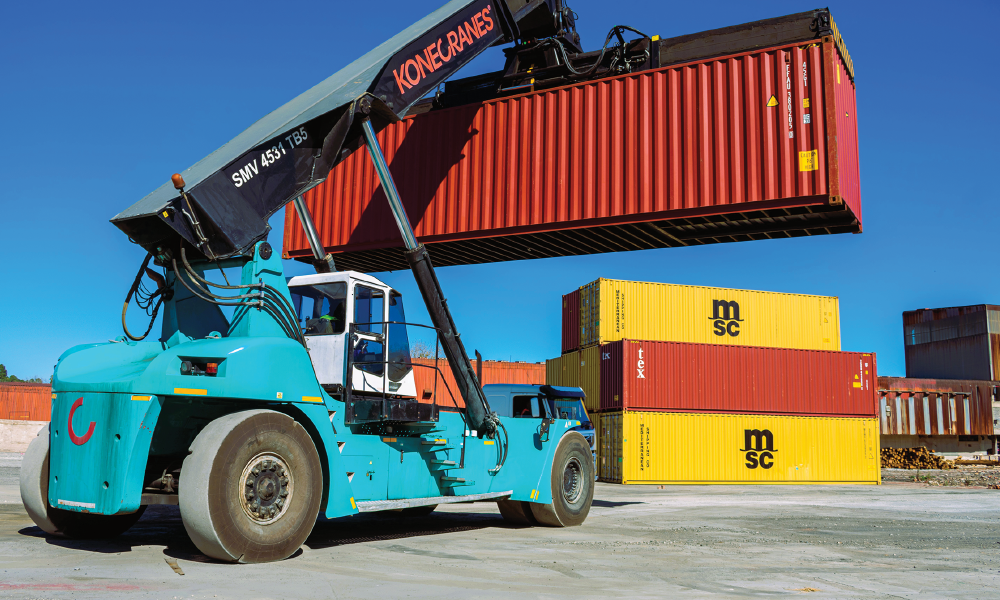
This symbiotic design is deliberate. Each operator strengthens the ecosystem. Each service contributes to throughput. Each interaction improves flow. And every part of the village, from warehousing and distribution to service providers and support industries, has been engineered to move goods faster, safer and more efficiently.
In this way, the EIT Freight Village based in Escourt is not just a location. It is a fully functioning nerve centre of trade, designed to unlock new economic value along the N3 and beyond.
As global markets demand reliability and speed, freight villages offer a proven solution to many of South Africa’s long-standing logistics challenges:
By consolidating and co-ordinating logistics activities, freight villages create stronger, more efficient, more resilient trade corridors.
EIT Freight Village demonstrates how this model can be executed at scale, delivering a world-class logistics ecosystem that supports both national supply chains and regional economic development.
© EIT Group | Terms & Conditions | Designed by Beetle Inc